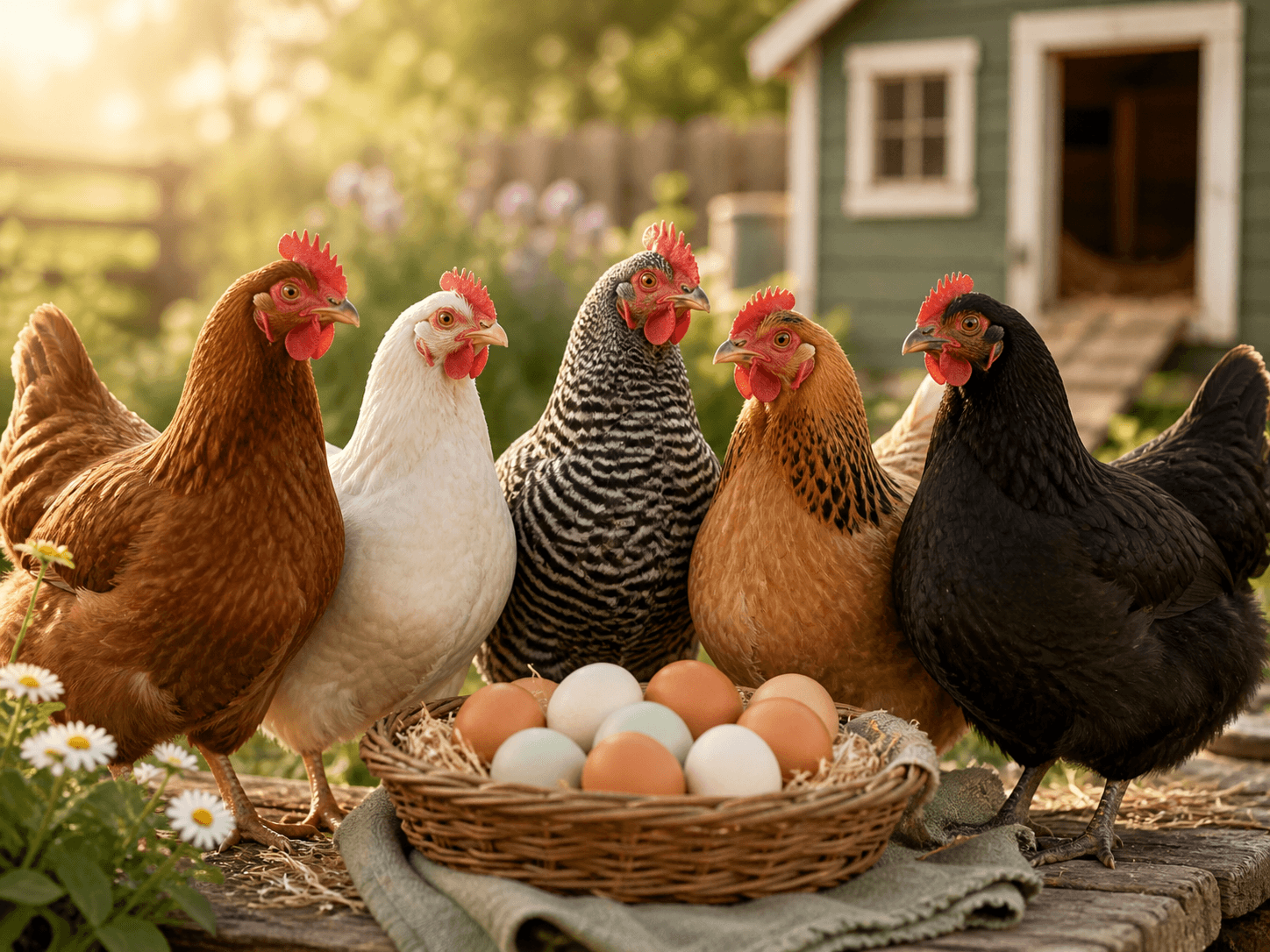
The best egg laying chickens are the ISA Brown, Rhode Island Red, White Leghorn, Golden Comet, and Australorp — each producing 250–350 eggs per year. Below you’ll find all 15 top breeds ranked by annual egg count, egg color, temperament, and climate tolerance, so you can pick the perfect hen for your flock.
Whether you’re a beginner setting up your first backyard flock or an experienced keeper looking to maximize production, this guide covers everything you need to know. We’ve raised and observed all 15 breeds listed here and include real egg counts — not the inflated numbers you’ll find on hatchery websites.
Best Egg Laying Chickens at a Glance
Compare the best egg laying chicken breeds by production, temperament, egg color, and climate hardiness.
ISA Brown
300–350 eggs/yearRhode Island Red
250–300 eggs/yearWhite Leghorn
280–320 eggs/yearGolden Comet
250–300 eggs/yearJump to any breed below for the full breakdown, or use this table to narrow down your top picks first.
The 15 Best Egg Laying Chicken Breeds (Full Reviews)
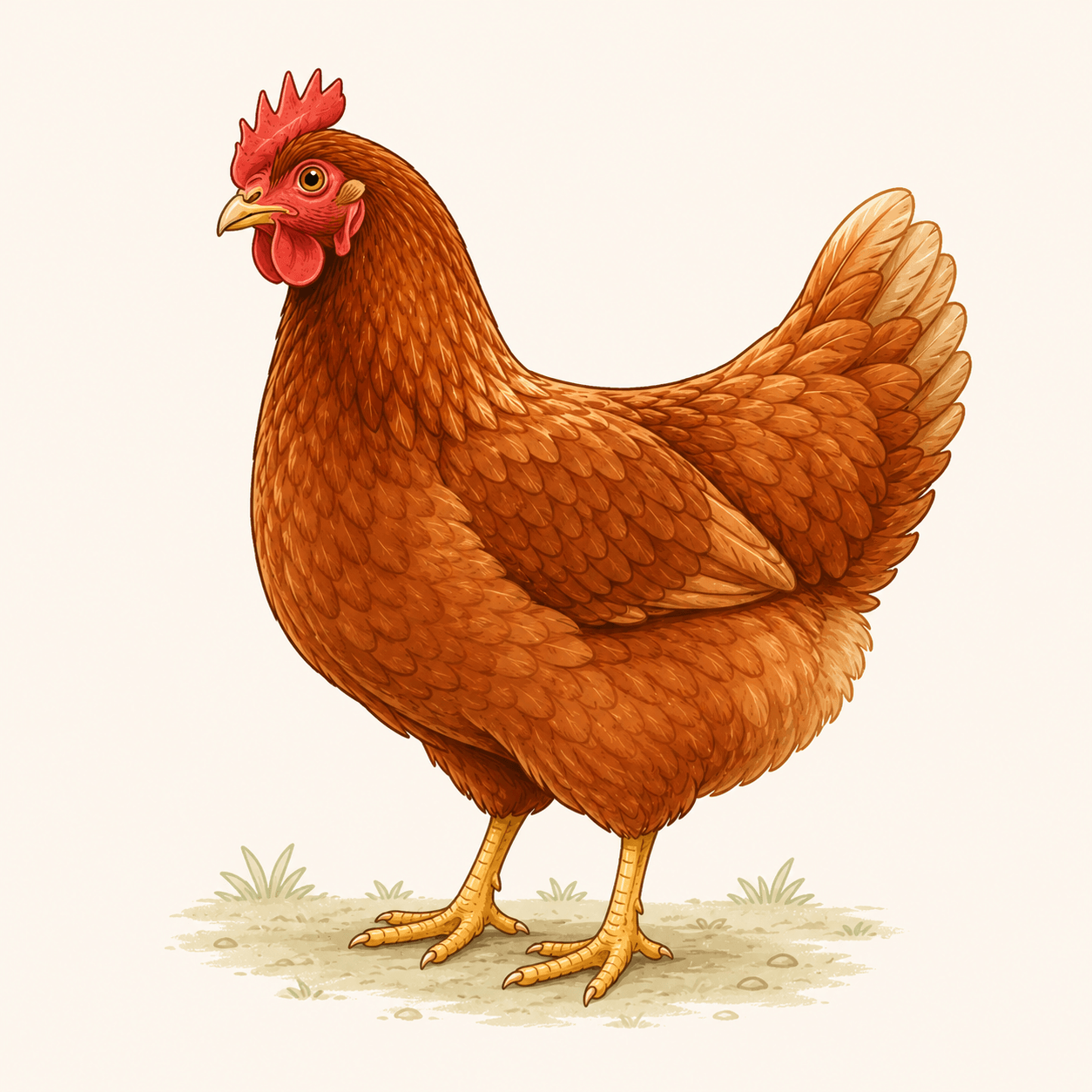
ISA Brown — Best Overall Egg Producer
Brown
Large
Docile & easy to handle
Moderate
Maximum egg production & beginners
5–6 eggs per week
If you want the most eggs for your money, the ISA Brown is your bird. This hybrid breed was developed in France specifically for commercial egg production, and it delivers — consistently laying 5–6 eggs per week throughout its first two laying years.
Pros: Exceptional lay rate, friendly personality, adapts well to confinement
Cons: Shorter productive lifespan (2–3 years) than heritage breeds, not cold-hardy below 20°F
Ideal for: Backyard flocks focused on egg output, urban keepers with limited space
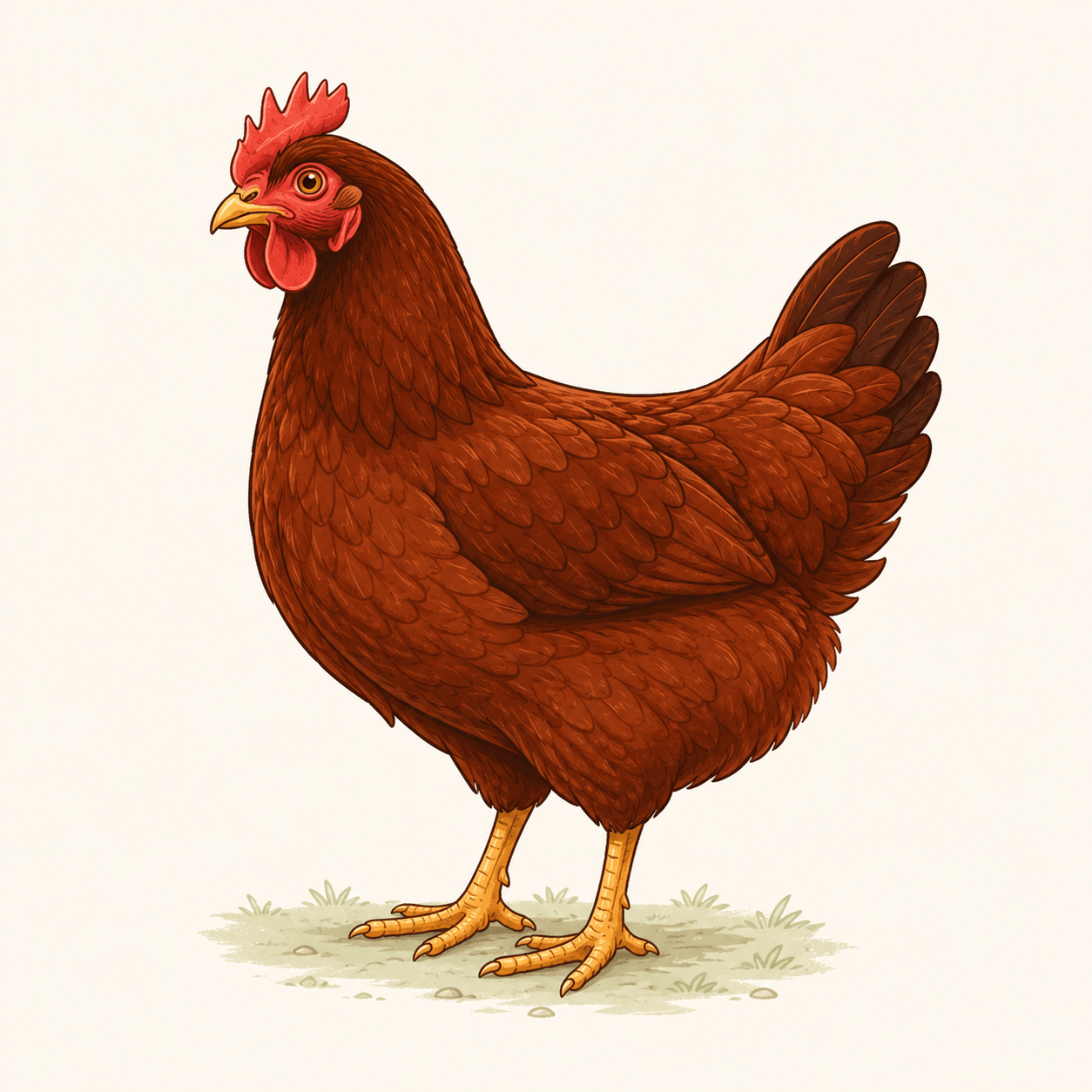
Rhode Island Red — Best for Beginners
Brown
Large
Confident & curious
Very good
Beginners & backyard flocks
4–6 eggs per week
The Rhode Island Red is the gold standard beginner breed — tough, reliable, and forgiving of imperfect management. Developed in New England in the 1800s, it was built for harsh winters and inconsistent feed, which means it thrives where other breeds struggle.
Pros: Hardy in cold and heat, consistent layer year-round, long productive lifespan (4–5 years)
Cons: Roosters can be aggressive, hens can be bossy in mixed flocks
Ideal for: First-time chicken keepers, free-range flocks, cold climates from Maine to Montana
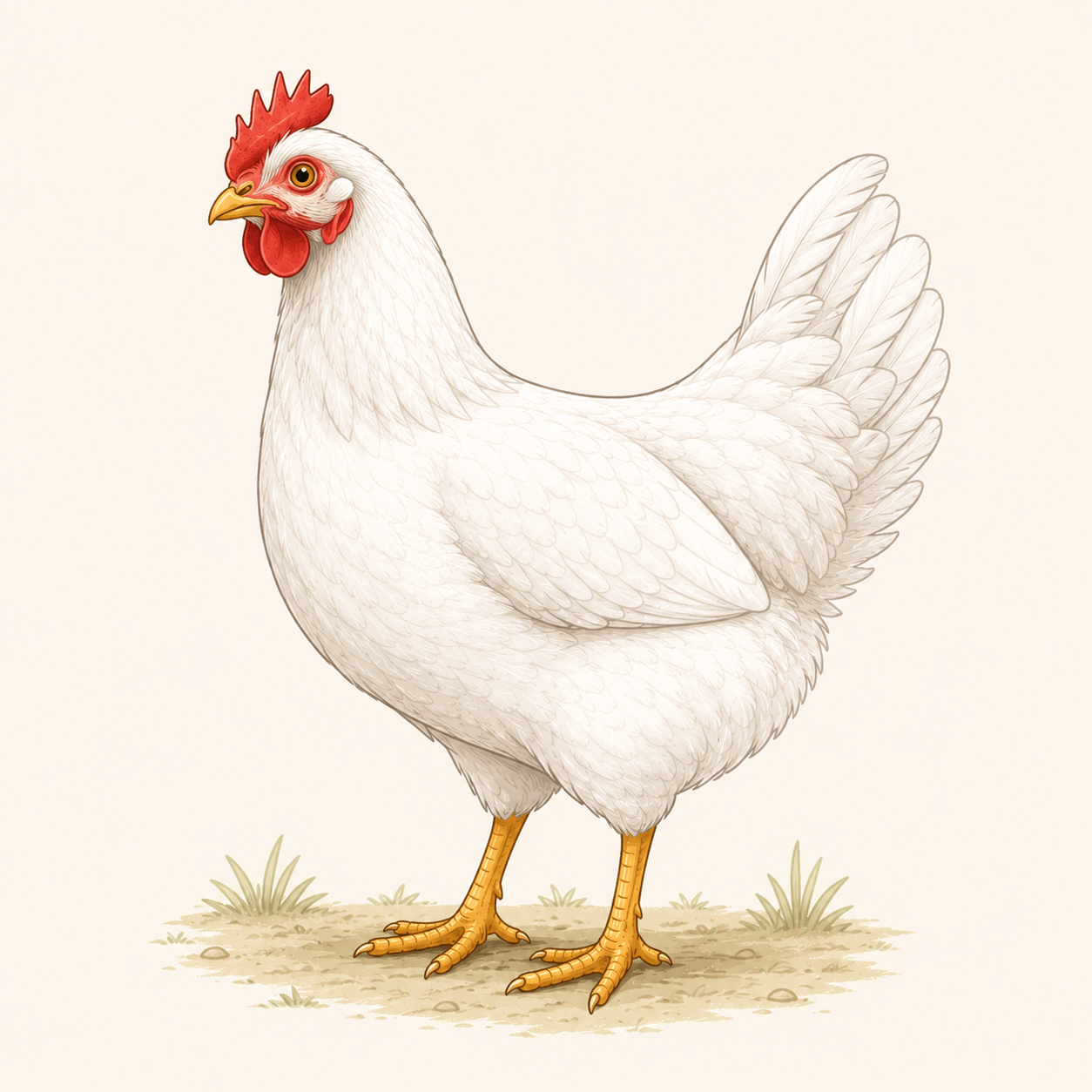
White Leghorn — Best for High-Volume White Eggs
White
Large
Active, alert & flighty
Moderate — comb prone to frostbite
Commercial-style egg production & warm climates
5–6 eggs per week
The Leghorn is the breed behind almost every white egg sold in American grocery stores. It converts feed to eggs more efficiently than any other breed, making it the top choice if you want maximum white egg output. The tradeoff is temperament — Leghorns are energetic and can be skittish.
Pros: Exceptional feed-to-egg efficiency, lays through winter better than most
Cons: Not friendly or lap-chicken material, large comb vulnerable to frostbite in harsh winters
Ideal for: Free-range setups, warm climates, keepers who prioritize output over personality
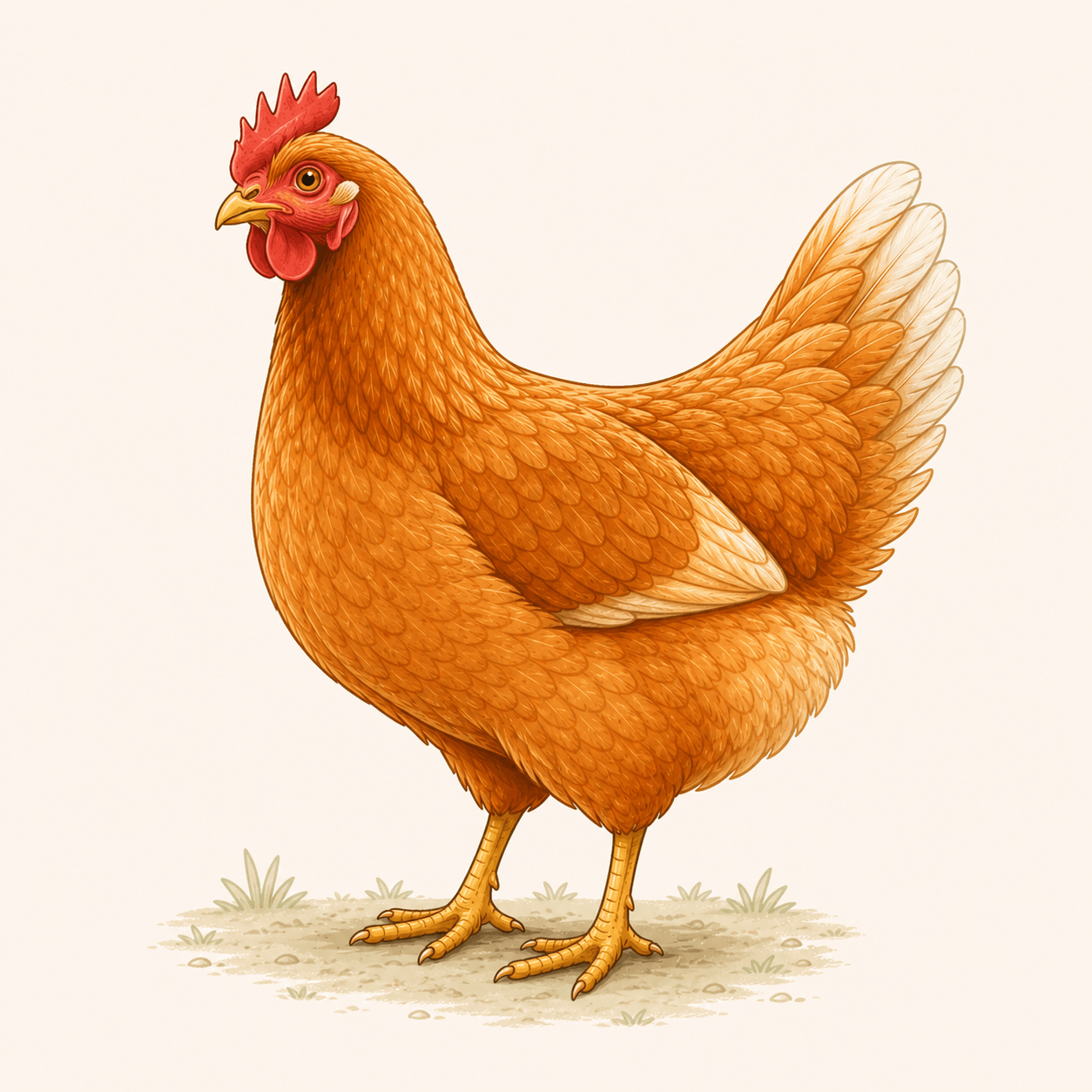
Golden Comet — Best Friendly Production Breed
Brown
Large
Extremely friendly & calm
Good
Families, beginners & backyard flocks
5–6 eggs per week
The Golden Comet combines the high production of a commercial hybrid with a genuinely sweet temperament. These hens actively seek out human attention and are among the most beginner-friendly birds you can buy. They’re a sex-link hybrid, which means you can tell males from females at hatch by feather color.
Pros: Excellent layer, very tame, calm in confinement, great with kids
Cons: Like most hybrids, productive lifespan is shorter (2–3 years peak)
Ideal for: Families, urban backyard flocks, 4-H projects
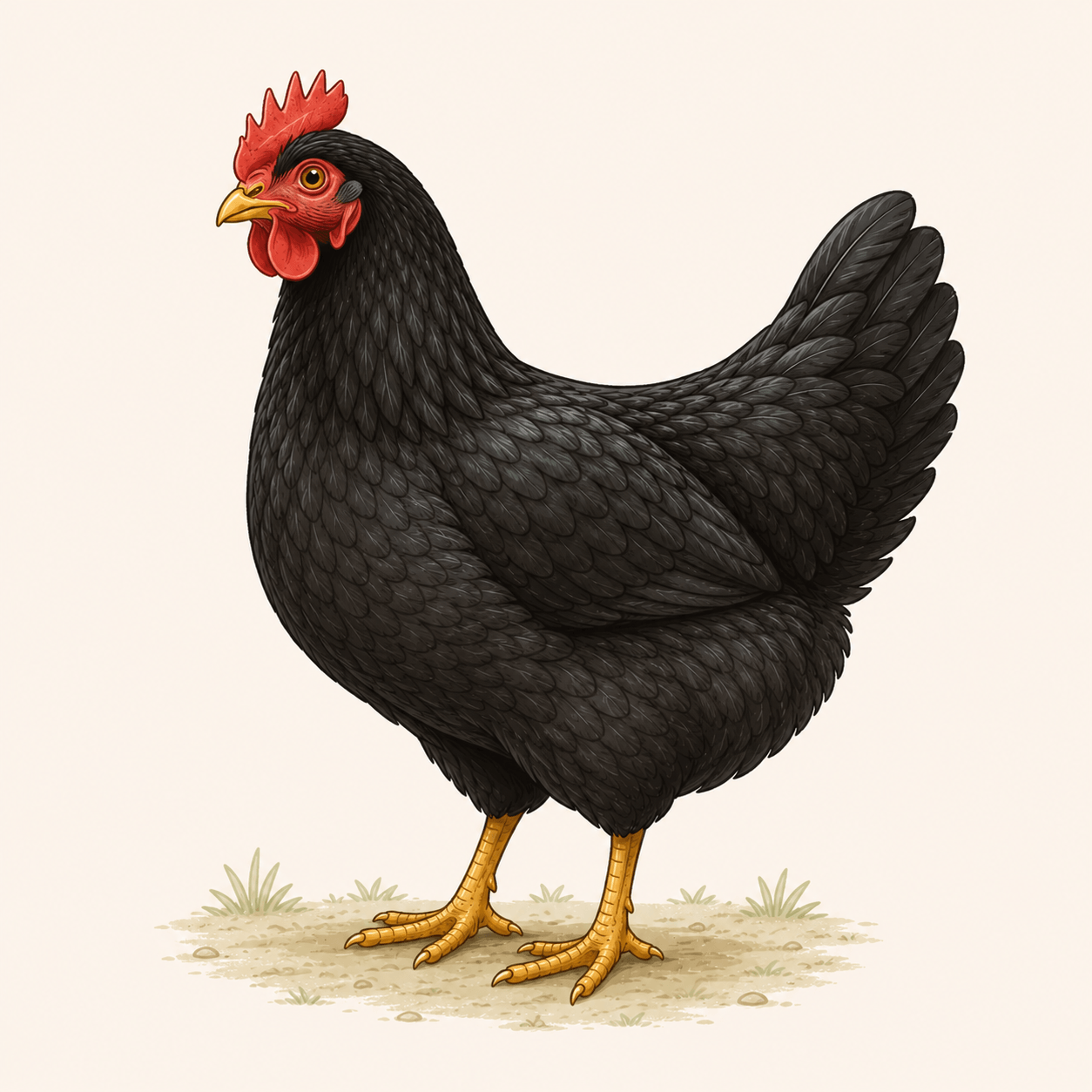
Australorp — Best Heritage Breed Layer
Brown
Large
Calm, gentle & easygoing
Good — reliable winter layer
Heritage flocks, cold climates & dual-purpose keeping
4–6 eggs per week
The Australorp holds the world record for egg laying — one hen laid 364 eggs in 365 days under test conditions in the 1920s. While your backyard hens won’t hit that, Australorps are the most productive heritage breed you can keep, and they’re genuinely beautiful birds with beetle-green iridescent feathers.
Pros: Top heritage breed layer, calm disposition, excellent in cold, long productive lifespan
Cons: Can go broody, which pauses egg production for several weeks
Ideal for: Heritage breed enthusiasts, cold climates, mixed flocks
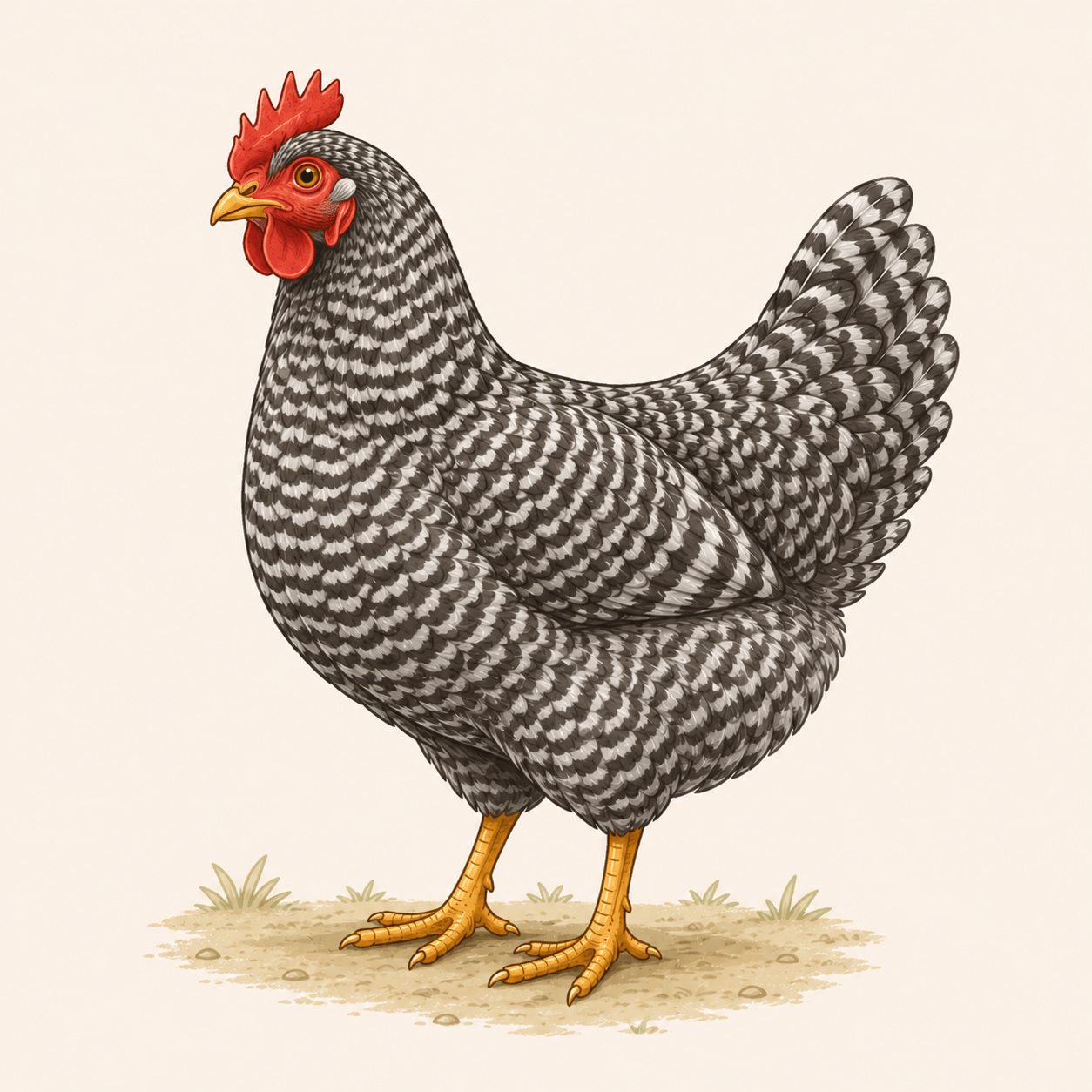
Plymouth Rock (Barred Rock) — Best Cold Climate Layer
Brown
Large
Friendly, docile & dependable
Excellent — thrives in harsh winters
Cold climates, dual-purpose flocks & beginners
4–5 eggs per week
If you’re in a northern state with hard winters, the Plymouth Rock — especially the Barred Rock variety — is your most reliable year-round layer. Their rose comb resists frostbite, their heavy feathering insulates against cold, and they keep laying through temperatures that shut down most other breeds.
Pros: Outstanding cold hardiness, friendly personality, good meat bird too
Cons: Lower peak production than hybrids, can go broody
Ideal for: Michigan, Wisconsin, Minnesota, New England, and any cold-climate keeper
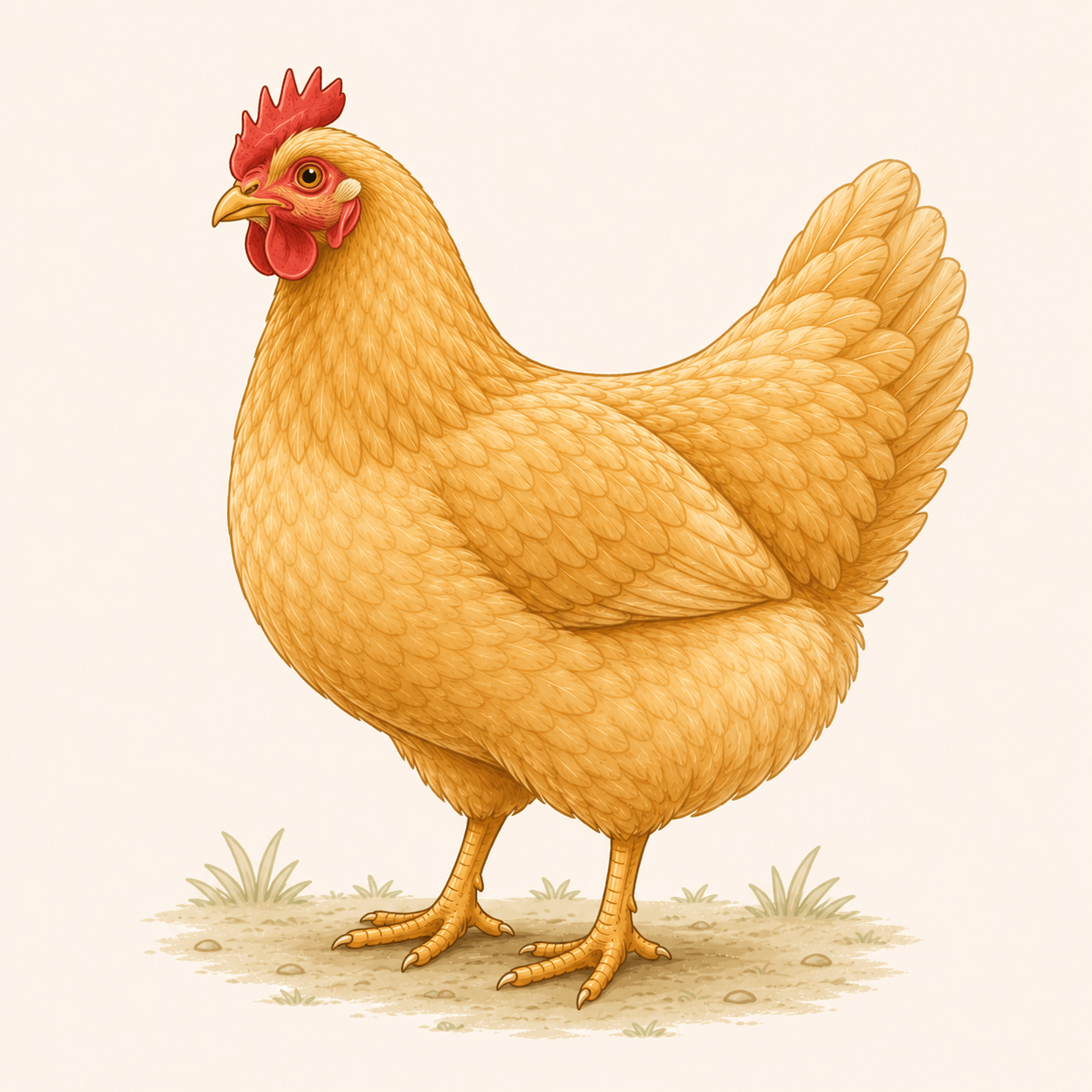
Buff Orpington — Best Family-Friendly Layer
Brown
Large
Very docile, calm & affectionate
Excellent — heavy feathering for winter
Families, children & backyard pets
4–5 eggs per week
Easter Eggers are not a true breed but a hybrid carrying the blue egg gene — each hen lays a different shade of blue, green, olive, or pink. No two Easter Eggers lay the same color, making them a favorite for Instagram-worthy egg baskets. They’re also excellent layers for a colored-egg bird.
Pros: Unique egg colors, good production for a colored-egg breed, hardy and adaptable
Cons: Egg color is not predictable until first lay, not a standardized breed
Ideal for: Families, homesteaders who want colorful eggs, mixed heritage flocks
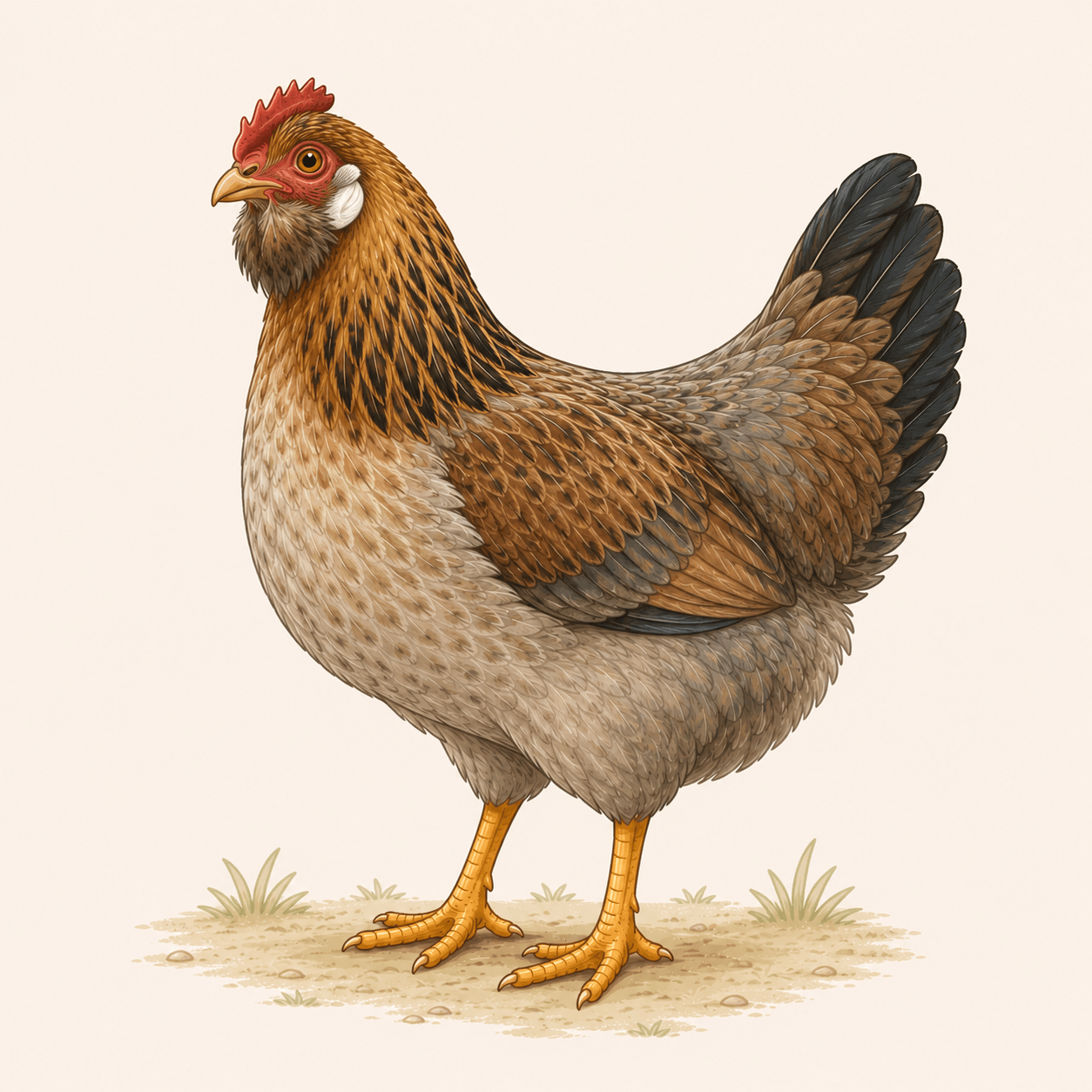
Easter Egger — Best for Colorful Egg Baskets
Blue, green & pink shades
Large
Friendly, curious & social
Good — adaptable in most climates
Colorful egg baskets, families & mixed flocks
4–5 eggs per week
Easter Eggers are not a true breed but a hybrid carrying the blue egg gene — each hen lays a different shade of blue, green, olive, or pink. No two Easter Eggers lay the same color, making them a favorite for Instagram-worthy egg baskets. They’re also excellent layers for a colored-egg bird.
Pros: Unique egg colors, good production for a colored-egg breed, hardy and adaptable
Cons: Egg color is not predictable until first lay, not a standardized breed
Ideal for: Families, homesteaders who want colorful eggs, mixed heritage flocks
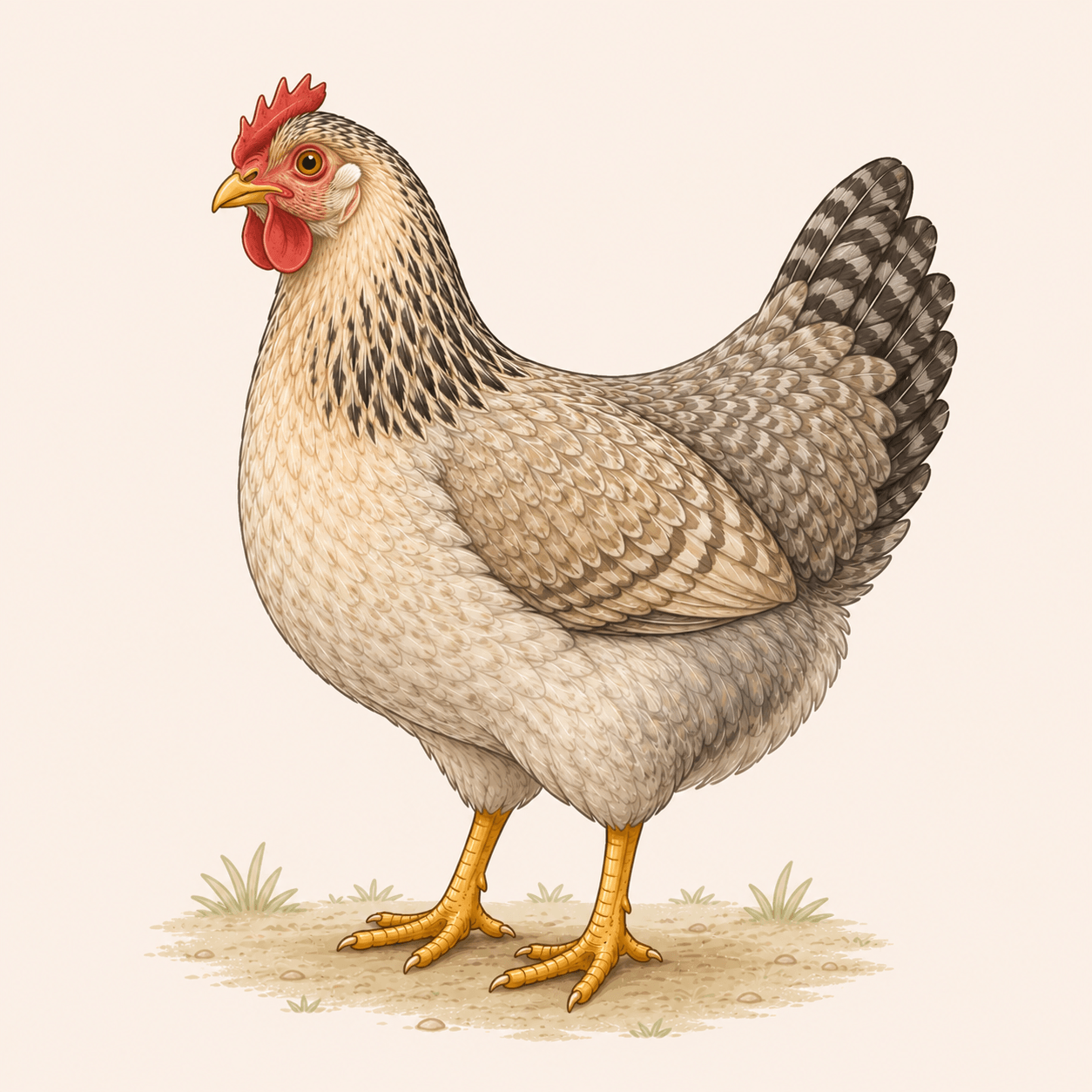
Cream Legbar — Best Blue Egg Layer
True sky-blue
Medium
Active, alert & independent
Good — adaptable free-range breed
Blue eggs, free-range flocks & auto-sexing
3–5 eggs per week
The Cream Legbar is one of the only pure breeds that reliably lays true sky-blue eggs — not green-blue like Easter Eggers, but a consistent pale blue. They’re also an auto-sexing breed, meaning you can identify male from female chicks at hatch by their down color, which saves on unwanted cockerel costs.
Pros: Consistent true-blue eggs, auto-sexing, active foragers, excellent for free-range
Cons: Lower egg count than brown-egg breeds, can be flighty
Ideal for: Blue egg enthusiasts, free-range setups, breeders who want predictable chick sexing
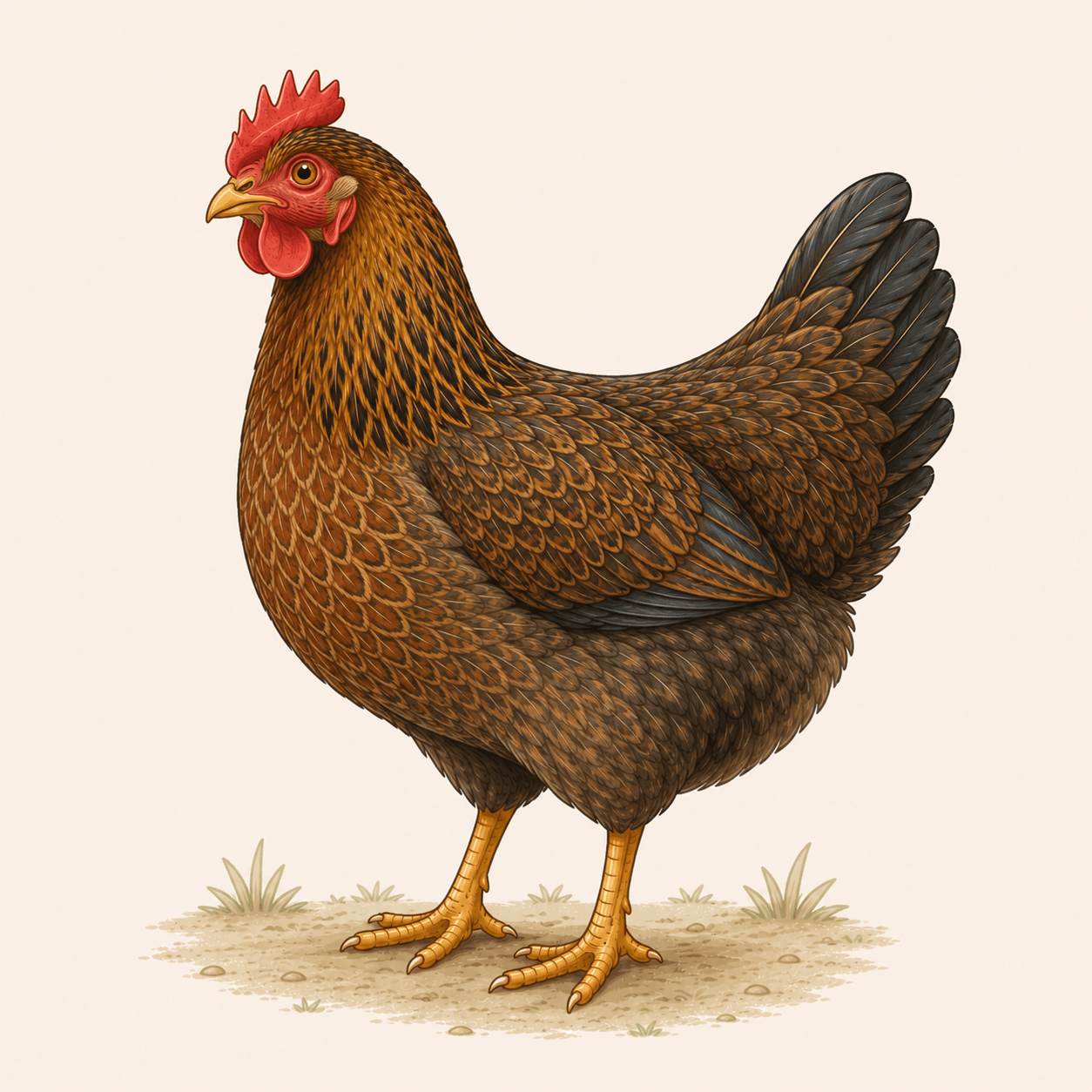
Welsummer — Best Dark Brown Egg Layer
Dark speckled brown
Large
Independent, calm & observant
Good — hardy for most climates
Dark terracotta eggs & artisan egg baskets
3–4 eggs per week
Welsummers lay some of the most visually striking eggs in the chicken world — deep terracotta brown with dark speckles that look hand-painted. The breed is beloved by artisan egg sellers and farmers market vendors. They’re good foragers and calm birds, though not as productive as commercial breeds.
Pros: Beautiful dark speckled eggs, good foragers, attractive breed
Cons: Lower production, eggs can fade in color as laying season progresses
Ideal for: Farmers markets, homesteaders who sell eggs, those who want visual interest in the egg basket
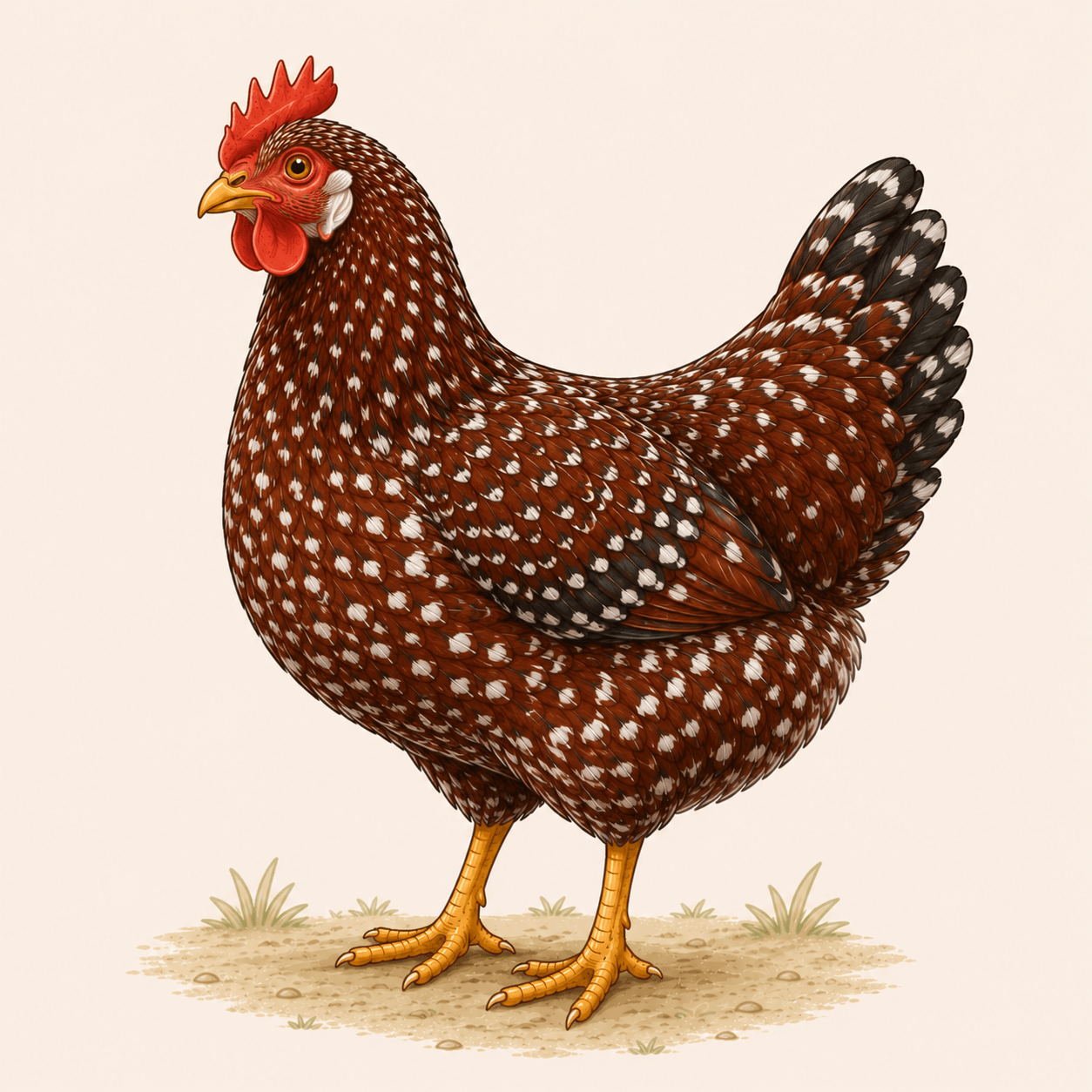
Speckled Sussex — Best Dual-Purpose Layer
Brown
Large
Curious, friendly & social
Excellent — dependable winter layer
Dual-purpose flocks, cold climates & heritage keeping
3–5 eggs per week
The Speckled Sussex is a classic British heritage breed that excels at both egg laying and meat production. Their distinctive speckled plumage gets more elaborate with each molt, and their friendly, curious nature makes them a joy to keep. They’re also one of the best cold-weather layers among heritage breeds.
Pros: Excellent cold hardiness, curious and friendly, beautiful feathering, good year-round layer
Cons: Can go broody, not a top-tier production bird compared to hybrids
Ideal for: Cold-climate heritage flocks, dual-purpose homesteads, anyone who wants a beautiful bird that works
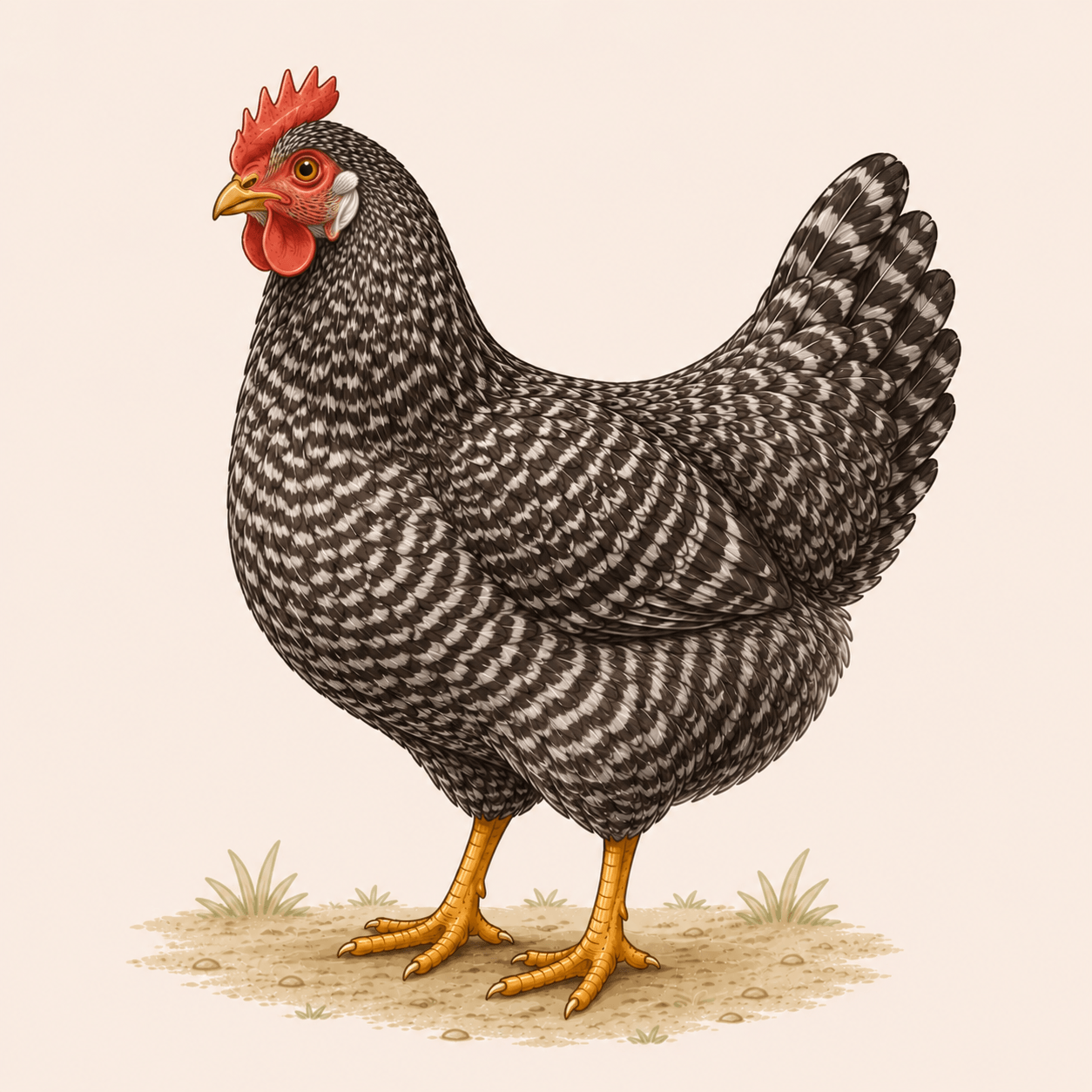
Dominique — Best Heritage Cold-Weather Breed
Brown
Medium–Large
Calm, quiet & dependable
Excellent — rose comb resists frostbite
Extreme cold climates & heritage flocks
3–4 eggs per week
America’s oldest chicken breed, the Dominique was developed to survive New England winters before heated coops existed. Their rose combs essentially eliminate frostbite risk, and their calm, quiet temperament makes them ideal for suburban keepers. They’re not the highest producers, but they’re exceptionally reliable in cold conditions.
Pros: Best cold hardiness of any breed listed, quiet, calm, frostbite-resistant comb
Cons: Lower egg count than most breeds listed, harder to find quality stock
Ideal for: Alaska, Minnesota, Wisconsin, and anyone in extreme cold who wants a heritage breed
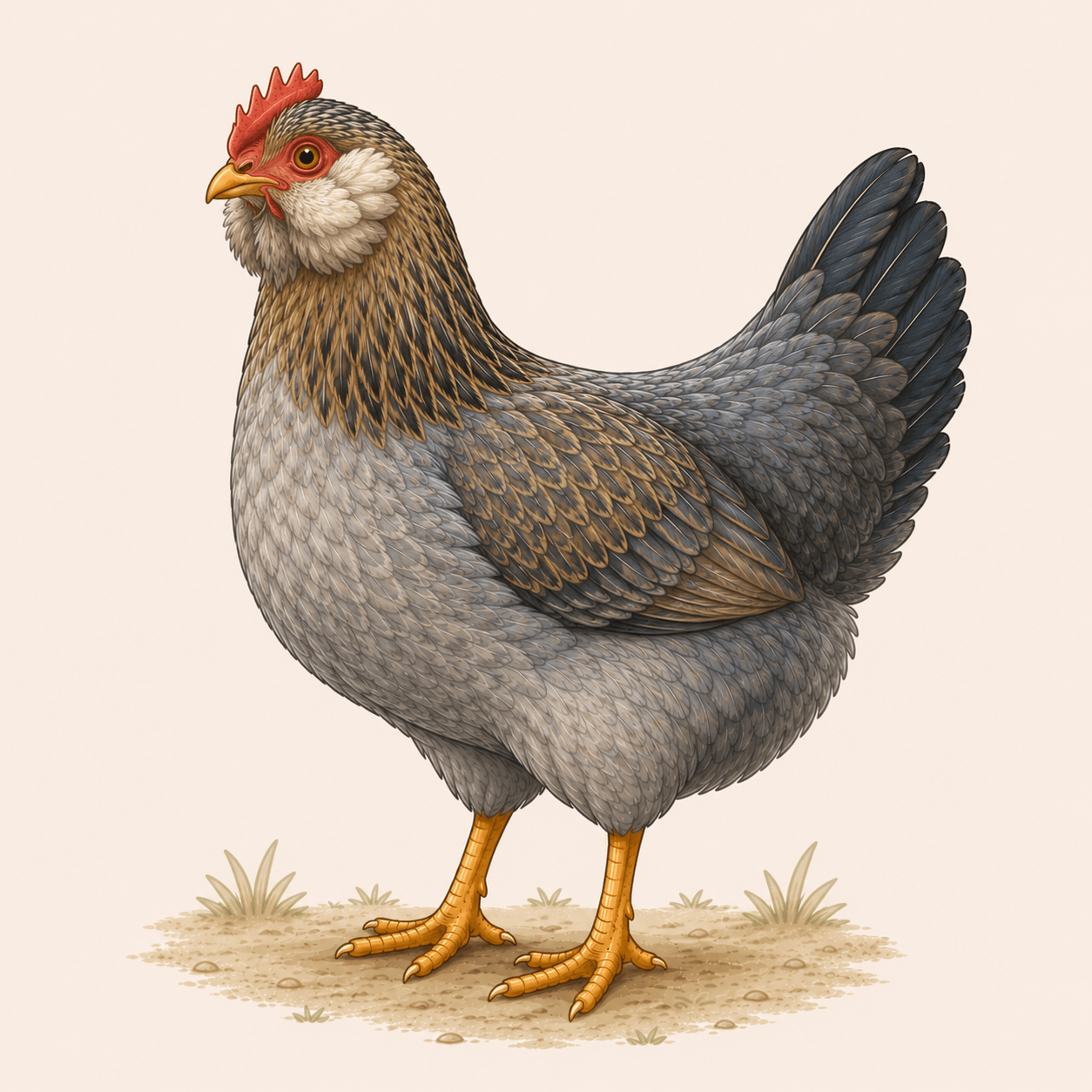
Ameraucana — Best True Blue Egg Breed
True blue
Medium
Shy at first, friendly once settled
Good — pea comb resists frostbite
Blue egg lovers, show flocks & cold climates
4–5 eggs per week
Unlike Easter Eggers which are often mislabeled as Ameraucanas, true Ameraucanas are a standardized breed that consistently lays medium blue eggs. They’re more productive than Cream Legbars and have a better-defined breed standard. Their pea comb makes them excellent cold-weather birds as well.
Pros: True standardized blue egg breed, cold-hardy, better production than Cream Legbar
Cons: Often mislabeled by hatcheries — verify you’re buying true Ameraucanas, not Easter Eggers
Ideal for: Blue egg enthusiasts who want a standardized breed, cold climates, show flocks
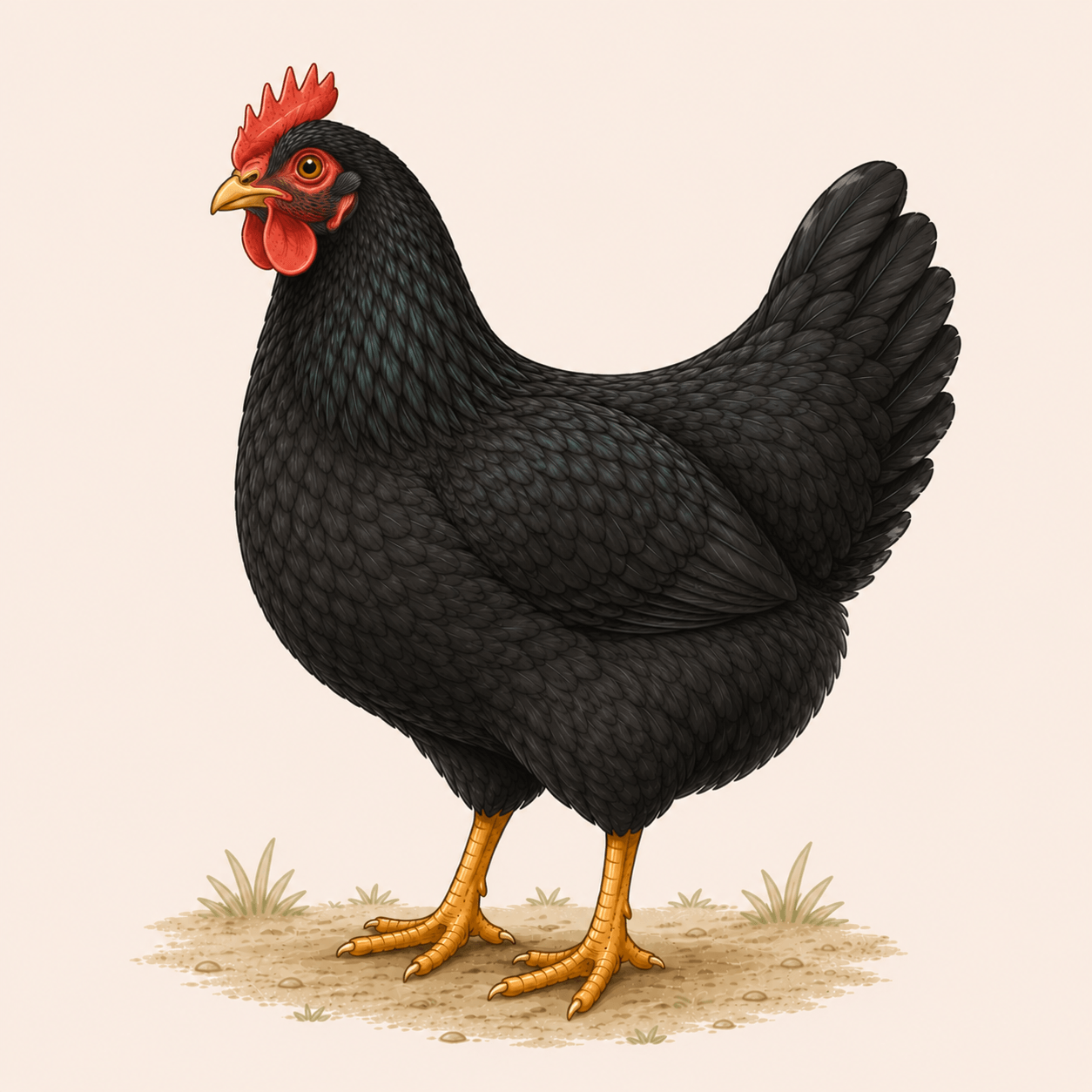
Black Sex-Link — Best Production Breed You Haven’t Heard Of
Brown
Large
Calm, docile & friendly
Good — hardy backyard hybrid
High production, beginners & backyard flocks
5–6 eggs per week
Black Sex-Links are a Rhode Island Red/Barred Rock cross that combines the production of an RIR with the calm temperament of a Barred Rock. Like other sex-links, chicks can be sexed at hatch by color. They’re less commonly discussed than ISA Browns or Golden Comets, but they’re every bit as productive and often hardier.
Pros: Excellent production, calm and friendly, hardier than many hybrid breeds
Cons: Not as widely available as ISA Browns, slightly shorter productive lifespan
Ideal for: Anyone wanting RIR production with better temperament, cold-climate backyard flocks
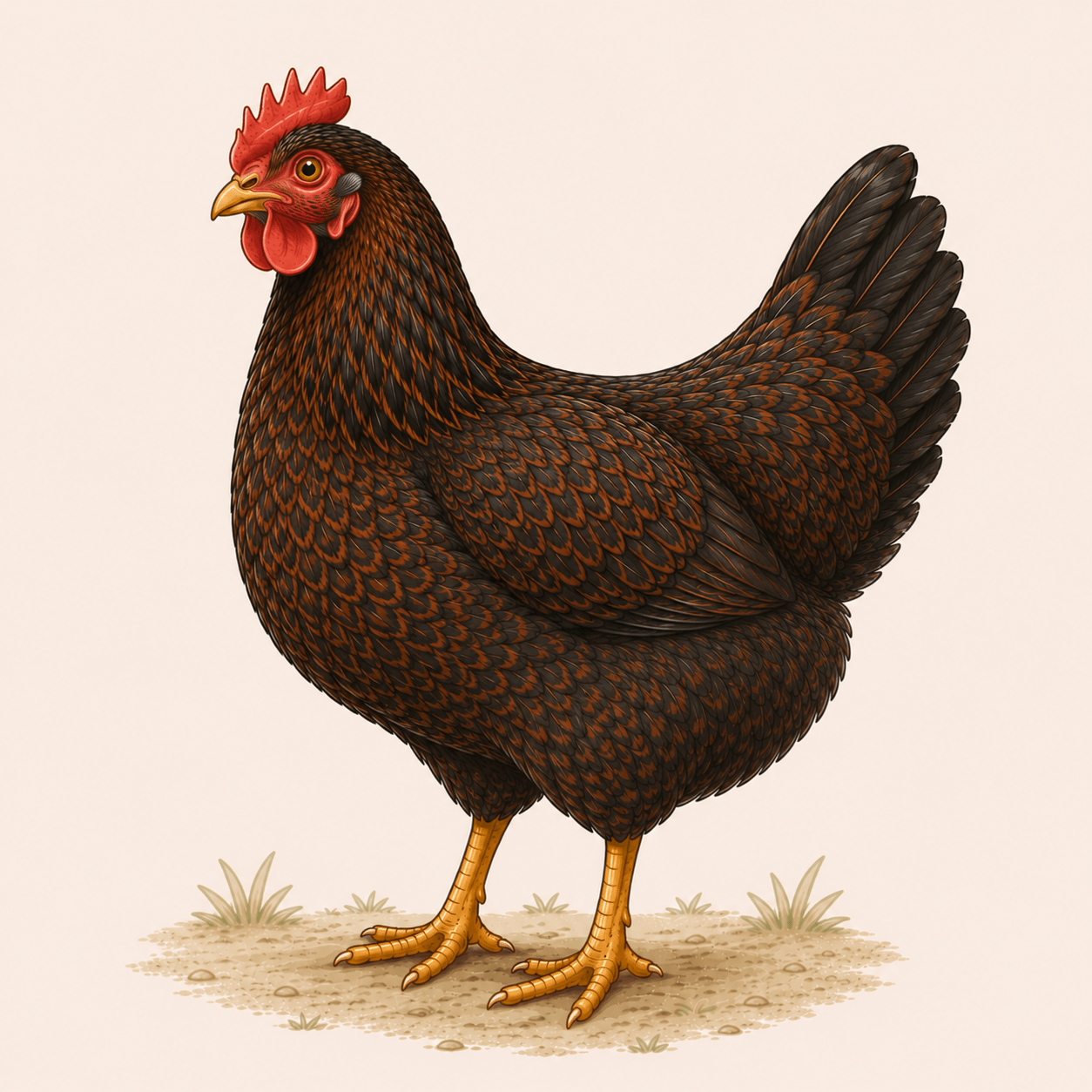
Barnevelder — Best for Rich Chocolate-Brown Eggs
Dark chocolate-brown
Large
Calm, quiet & easygoing
Good — reliable in cooler climates
Chocolate eggs, heritage flocks & suburban keepers
3–4 eggs per week
Barnevelders are the Welsummer’s Dutch cousin — calm, beautiful birds that lay large, rich dark-brown eggs. They’re not top producers by numbers, but the egg quality and color is exceptional. They’re also quieter than most breeds, which makes them well-suited for suburban settings.
Pros: Beautiful dark brown eggs, very calm and quiet, good cold hardiness
Cons: Lower production, sometimes difficult to find quality stock in the US
Ideal for: Heritage flock enthusiasts, suburban keepers, farmers market egg sellers
How to Choose the Best Egg Laying Chickens for Your Situation
Best Egg Laying Chickens for Beginners
If this is your first flock, prioritize temperament and hardiness over maximum egg count. Our top picks for beginners:
- Golden Comet — friendly, high-producing, easy to handle
- Rhode Island Red — tough, reliable, forgiving of management mistakes
- Buff Orpington — docile and gentle, great with kids
| 📎 See our dedicated guide: Best Egg Laying Chickens for Beginners → |
Best Egg Laying Chickens for Cold Weather
For climates with harsh winters, prioritize breeds with rose or pea combs (less frostbite risk) and heavy feathering:
- Plymouth Rock — exceptional cold hardiness, keeps laying in winter
- Dominique — rose comb, built for extreme cold
- Buff Orpington — heavy feathering, handles northern winters well
- Australorp — reliable winter layer among heritage breeds
| 📎 See our dedicated guide: Best Egg Laying Chickens for Cold Weather → |
Best Brown Egg Laying Chickens
If you specifically want large brown eggs (the most popular at farmers markets):
- ISA Brown — 300–350 large brown eggs per year
- Rhode Island Red — rich brown eggs, great flavor reputation
- Welsummer — dark speckled terracotta eggs, visually stunning
- Barnevelder — deep chocolate-brown eggs
| 📎 See our dedicated guide: Best Brown Egg Laying Chickens → |
Best Blue & Colored Egg Laying Chickens
For colorful egg baskets that stand out at markets or on social media:
- Cream Legbar — consistent pale blue eggs
- Ameraucana — standardized true blue eggs
- Easter Egger — variable blue/green/pink eggs, each hen unique
| 📎 See our dedicated guide: Best Colored Egg Laying Chickens → |
How Many Eggs to Expect: What the Numbers Really Mean
Egg count claims on hatchery websites are often exaggerated. Here’s what actually affects your real-world production:
- Age: Pullets (first-year hens) lay the most eggs. Production drops about 20% each year after the first laying season.
- Daylight: Hens need 14–16 hours of light to lay consistently. Production naturally drops in winter unless you supplement with a coop light.
- Feed quality: Laying hens need 15–18% protein feed. Low protein = fewer eggs.
- Stress: Predator pressure, flock changes, or extreme temperatures will pause or reduce laying.
- Broodiness: Breeds prone to going broody (Buff Orpington, Australorp, Sussex) can stop laying for 4–8 weeks at a time.
What Most Hatcheries Don’t Tell You
Rule of thumb: Expect around 70–80% of the advertised annual egg count in year one, 55–65% in year two, and 40–50% in year three from heritage breeds. Hybrid breeds usually peak higher in year one, but their production often declines faster after the second laying season.
Common Questions About Egg Laying Chickens
These answers cover the most searched questions backyard chicken keepers ask about egg production, beginner breeds, winter laying, and flock management.
What is the best egg laying chicken for a backyard flock?
The best backyard egg laying chicken depends on your climate and goals. For maximum eggs in a small space, the ISA Brown or Golden Comet are top picks. For cold climates, choose Plymouth Rock or Australorp. For families with children, Buff Orpington or Golden Comet are the friendliest options.
How many eggs does a chicken lay per day?
Most good laying breeds produce one egg every 24–26 hours, which works out to 5–7 eggs per week. A hen cannot lay more than one egg per day. Production naturally slows during winter, molting seasons, and as hens age past 2–3 years.
What chickens lay eggs year-round?
Hybrid breeds like ISA Brown, Golden Comet, and Black Sex-Link are bred for year-round production. Among heritage breeds, Rhode Island Red, Australorp, and Plymouth Rock are the most reliable winter layers. All breeds lay less in winter, though adding a coop light can help maintain production.
What are the best egg laying chickens for beginners?
The Golden Comet, Rhode Island Red, and Buff Orpington are the best beginner-friendly egg laying chickens. They have calm temperaments, tolerate management mistakes well, and produce large brown eggs consistently.
What chicken lays the most eggs in a year?
The ISA Brown leads most backyard flocks with 300–350 eggs per year. Under laboratory conditions, an Australorp once laid 364 eggs in 365 days. Hybrid breeds generally outperform heritage breeds in annual production.
What are the best chickens for laying brown eggs?
Rhode Island Red, ISA Brown, Welsummer, and Barnevelder are among the best brown egg layers. Welsummer and Barnevelder produce especially rich dark-brown eggs, while ISA Brown and Rhode Island Red excel in total volume.
What is the best egg laying chicken for cold weather?
Plymouth Rock, Dominique, and Buff Orpington are excellent cold-weather layers. Dominiques have frostbite-resistant rose combs, while Plymouth Rocks maintain strong winter production in freezing climates.
How long do chickens lay eggs?
Most hens lay best during years one and two. Egg production gradually declines after year three, though many hens continue laying at reduced rates for 5–7 years. Heritage breeds often remain productive longer than commercial hybrids.
Do I need a rooster for hens to lay eggs?
No. Hens lay eggs whether or not a rooster is present. A rooster is only necessary if you want fertilized eggs for hatching chicks.
What is the calmest egg laying chicken breed?
Buff Orpington, Golden Comet, and Australorp are considered among the calmest laying breeds. They tolerate handling well, adapt to backyard spaces, and integrate peacefully into mixed flocks.